RideFlag Design System
Client
RideFlag Technologies Inc.
Timeline
May - July 2025
Team
1 Product Designer
Problem
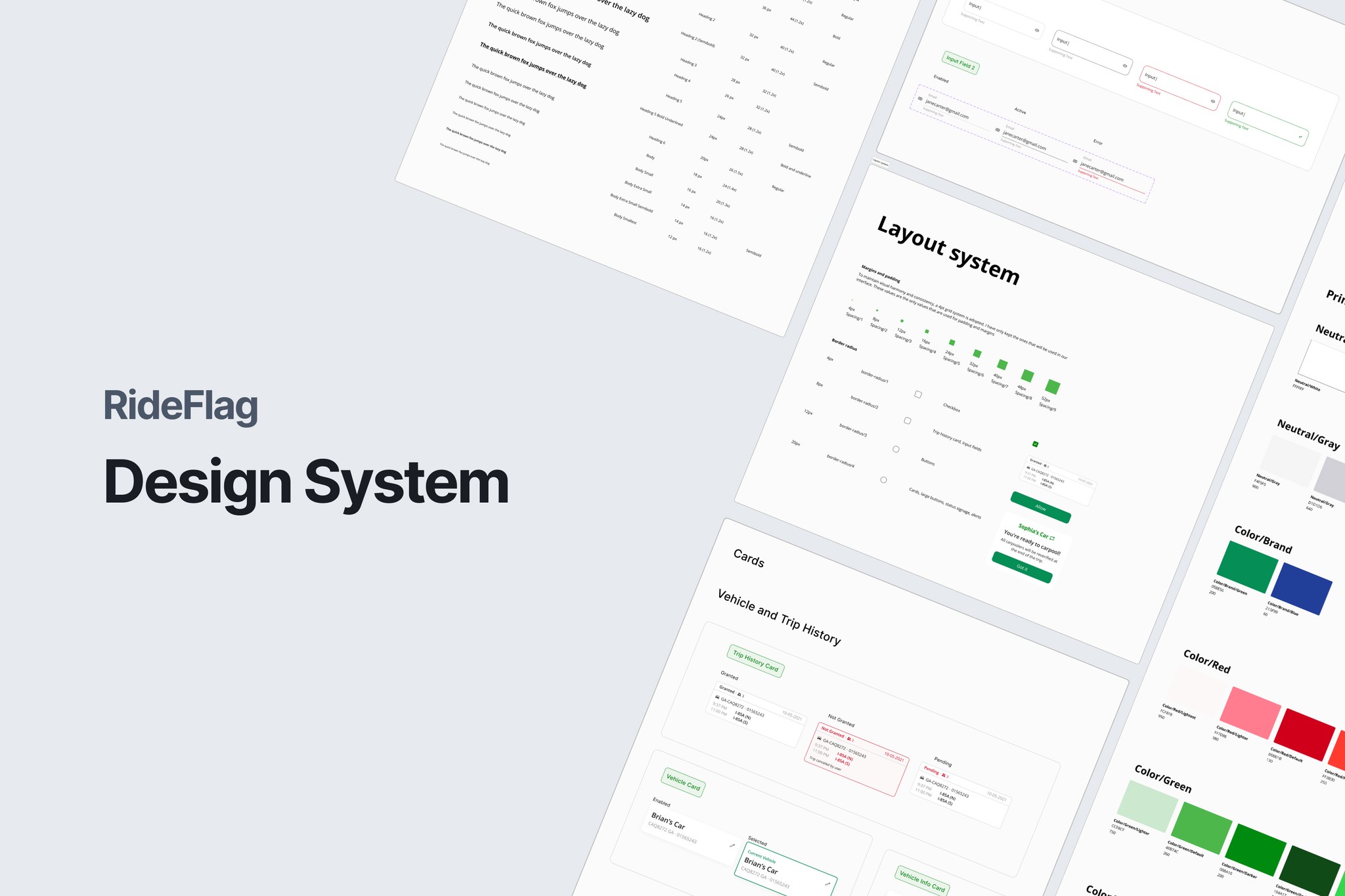
Where is our Design System?
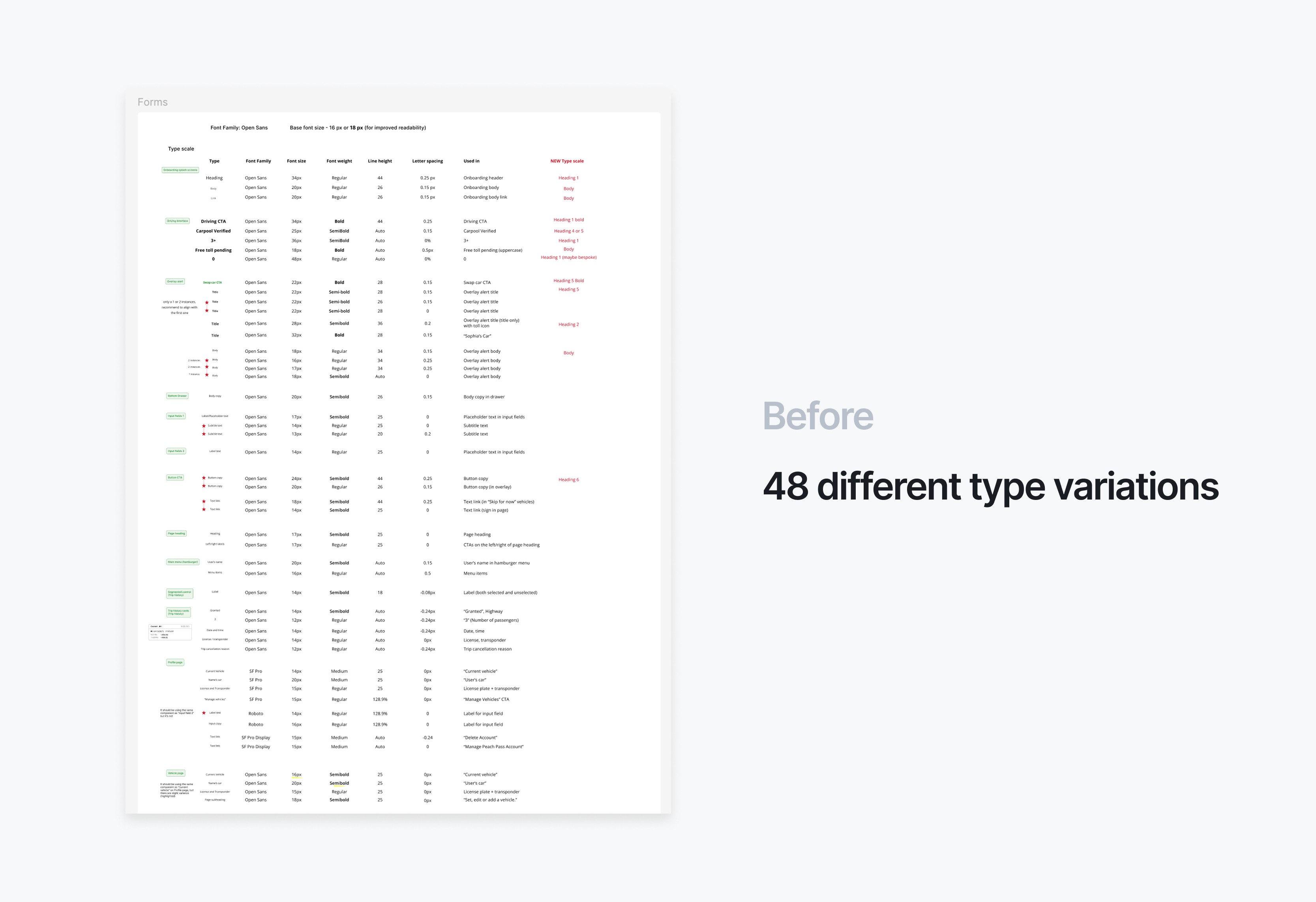
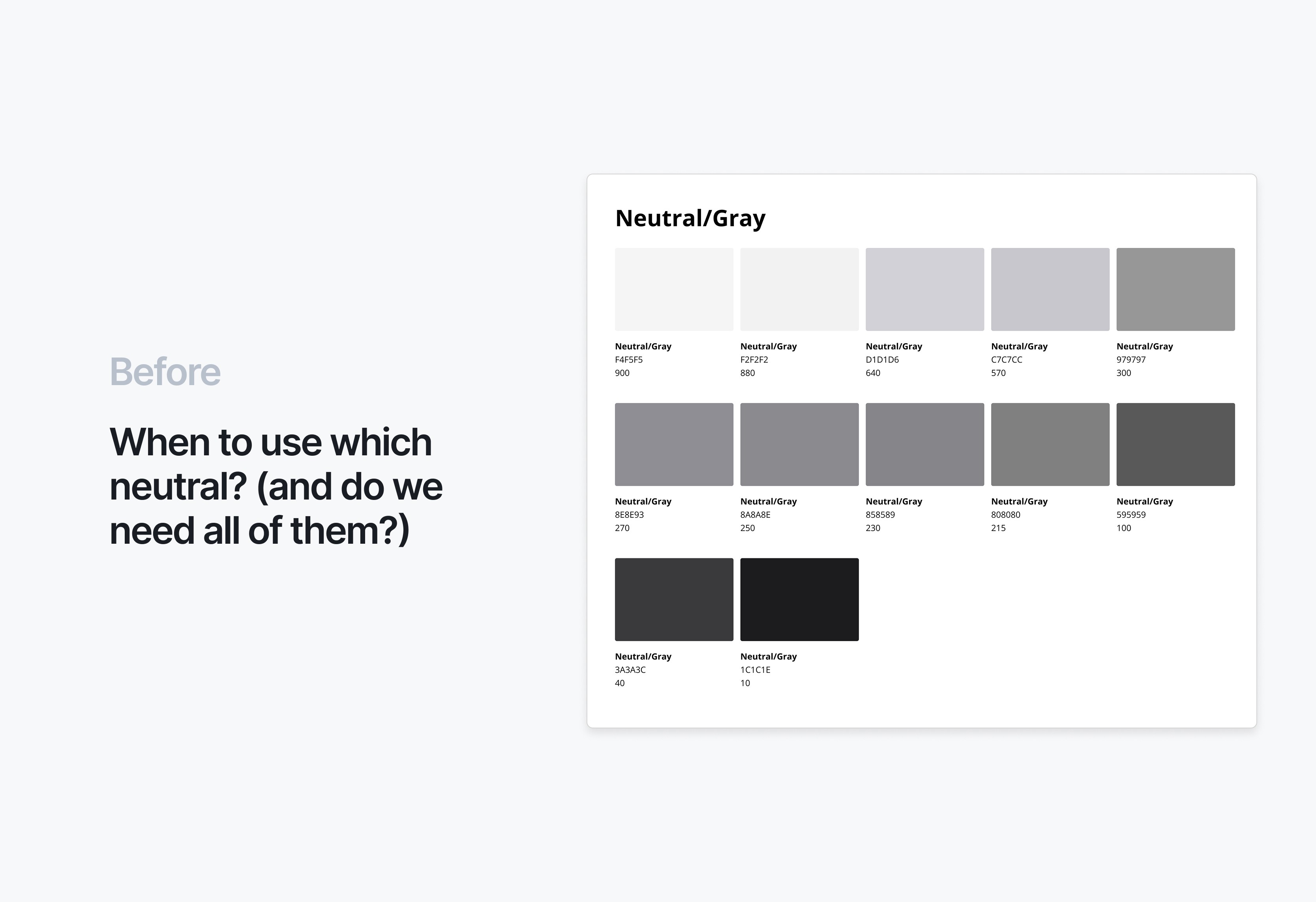
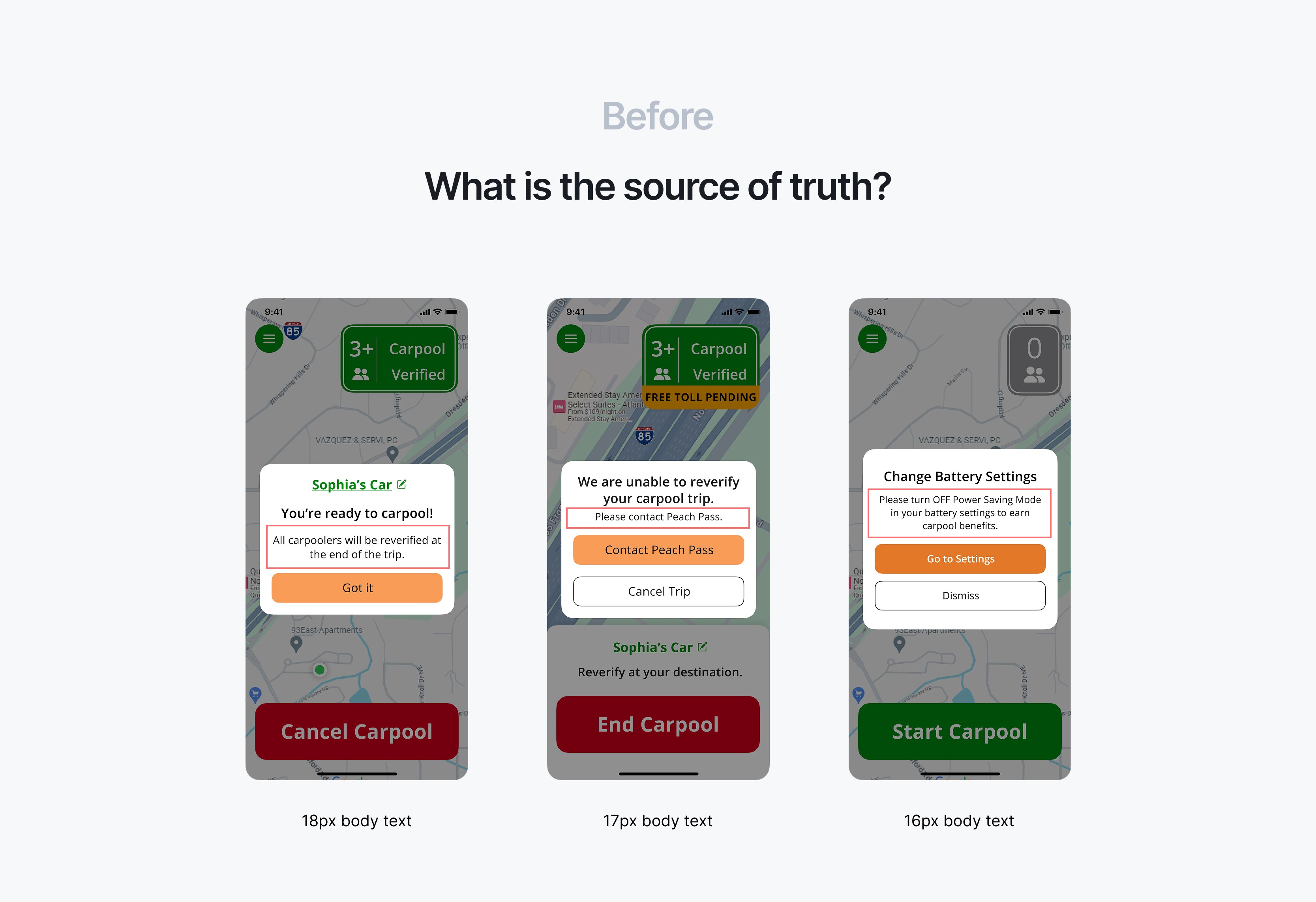
When I joined RideFlag, I noticed the absence of a consistent design system—a natural challenge for a lean startup focused on delivery over documentation. However, as the product scales and the client base grows, these inconsistencies and accumulated design debt risk will begin to impact scalability, efficiency, and overall user experience.
Why this matters?
Unpolished user experience
Inconsistent UI elements and lack of visual hierarchy made the product feel fragmented and harder to use.
Non-scalable design files
Each client build required starting from scratch, making updates time-consuming and increasing the risk of inconsistency across projects.
Inefficient developer handoff
Without standardized components or documentation could lead to gaps between design and implementation.
Solution
A scalable design system that ensures consistency, fosters collaboration, and adapts to diverse clients and markets.
Project Objectives
Single source of truth
To eliminate inconsistencies and reduce ambiguity for both designers and developers.
Adopt industry best practices
A system that is built to be scalable, accessible, and adheres to visual best practices.
Enable intuitive iteration
A system that evolves easily with product and market needs
Key Learnings
Education and support > everything else
It doesn't matter how pixel-perfect or "Figma-optimised" the design system is if no one knows how to use it or if it doesn't support the team's workflow and needs. A design system is only effective when supported by clear workflows, documentation, and guidelines. Without clarity or processes that meet the team’s needs, adoption will be ineffective.
Build for Scale and Evolution
The design system should evolve with the product, balancing structure and flexibility for new clients and features. The focus is on modularity and adaptability, rather than perfection.
Importance of Regular Check-ins
I remember the first check-in with the developers—while my work had been valuable for the design team, they were unsure how it benefited them. Regular check-ins proved essential to ensure my design proposals met both UX and engineering needs. Through these conversations, I learned the importance of aligning priorities, seeking early feedback, and iterating collaboratively to create a system that works for everyone.